
Fiber internet has quickly become one of the most talked-about connectivity upgrades for homes and businesses alike. As more services move online and demand for speed increases, fiber stands out as a long-term solution rather than a short-term fix. If you’re considering an upgrade or simply want to understand why fiber is different, here are some essential facts to know about fiber internet.
Table of Contents
Fiber Internet Uses Light, Not Electricity
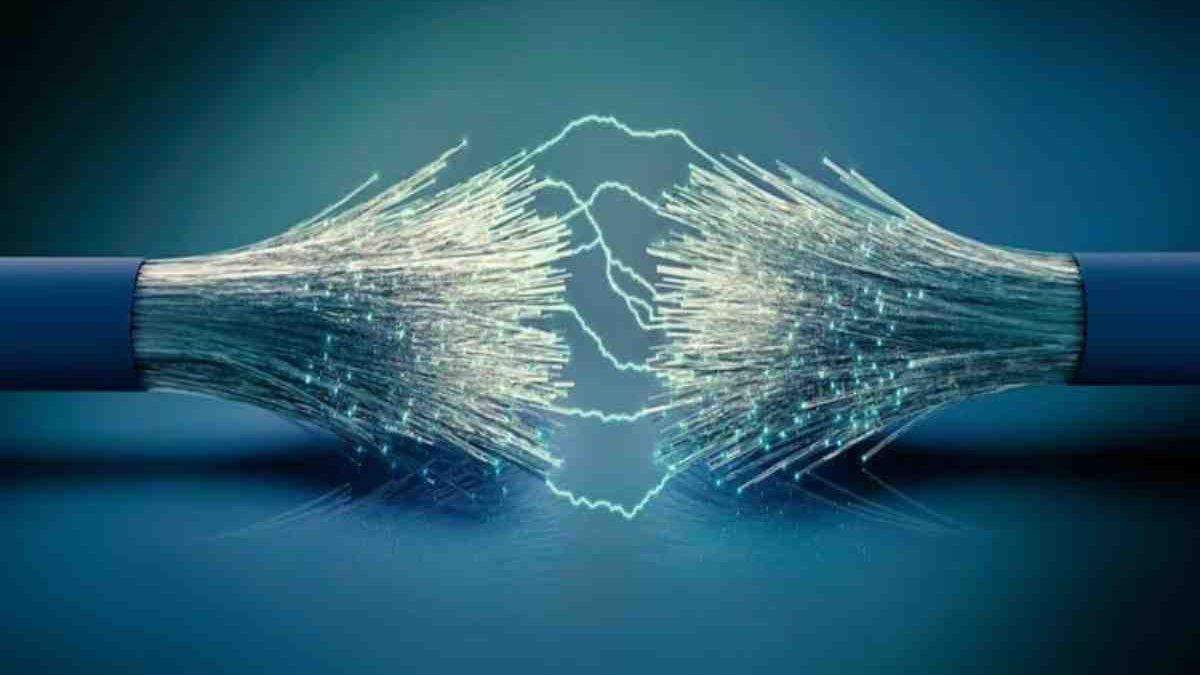
One of the most important differences between fiber internet and traditional broadband is how data is transmitted. Fiber internet uses pulses of light sent through fiber-optic cables made of glass or plastic. This allows data to travel faster and more efficiently than copper-based connections like DSL or cable, which rely on electrical signals, and because light travels with minimal resistance, fiber connections can handle significantly more data over longer distances without signal loss.
Speeds Are Faster and More Consistent
Fiber internet is known for its impressive speed, but consistency is just as important. Unlike cable internet, which can slow down during peak usage hours, fiber offers dedicated bandwidth. That means your connection is less affected by how many people nearby are online at the same time.
Most providers of fiber internet in Los Angeles offer symmetrical speeds, meaning upload speeds match download speeds. This is especially valuable for video conferencing, cloud computing, file sharing, and content creation.
Reliability Is a Major Advantage
Fiber-optic cables are less susceptible to interference from weather, electrical noise, or nearby equipment. As a result, fiber internet is often more stable than other types of connections. Fewer outages and less downtime can make a noticeable difference for businesses that rely on always-on access, as well as households with multiple connected devices. This reliability is one reason why many growing companies are choosing fiber internet in big cities.
Fiber Supports Modern Digital Lifestyles
Streaming in high definition, running smart home devices, gaming online, and working remotely all require strong internet performance. Fiber internet is designed to handle multiple high-demand activities at once without lag or buffering.
As more services move to the cloud, fiber provides the capacity needed not just today, but for future technologies as well. This makes it a forward-looking option rather than a temporary upgrade.
Installation Availability Is Expanding
One common misconception is that fiber internet is rare or limited to select neighborhoods. While availability still varies, fiber infrastructure continues to expand rapidly, particularly in urban and business-focused areas. Internet providers are investing heavily in fiber networks to meet rising demand for speed and reliability.
Checking availability at a specific address is often the best way to determine whether fiber service is an option.
Fiber Internet Can Improve Productivity
For businesses, faster and more stable internet directly impacts efficiency. Take the following few examples. You’ll notice that cloud-based software runs smoother than before, file transfers take seconds instead of minutes, and communication tools perform more reliably. Even small improvements in speed can add up to meaningful productivity gains over time.
It’s a Long-Term Investment
While fiber internet may come at a higher upfront cost compared to some traditional plans, it’s widely considered a long-term investment. Fiber infrastructure is built to scale, meaning it can support higher speeds as technology advances without requiring major changes to the physical network.
For homeowners and businesses alike, fiber internet adds lasting value by meeting both current and future connectivity needs.
Final Thoughts
Fiber internet is more than just a faster connection for its users. You need to view it as a foundational upgrade for how you can live and work online. From speed and reliability to future readiness, understanding these facts can help you make an informed decision when evaluating your internet options. As digital demands continue to grow, fiber stands out as one of the most dependable solutions available today, so consider whether it’s time to make the switch today.