Table of Contents
Key Takeaways
- Driverless rides may be most useful as one option within a broader network of walking, cycling, buses, trains, taxis, and paratransit.
- Short trips, late-night travel, airport connections, and first-mile or last-mile journeys are likely to be important use cases.
- Safety depends on vehicles, street conditions, emergency procedures, rider support, and public oversight.
- Accessibility, fair service coverage, privacy, and curb management will matter as much as the technology itself.
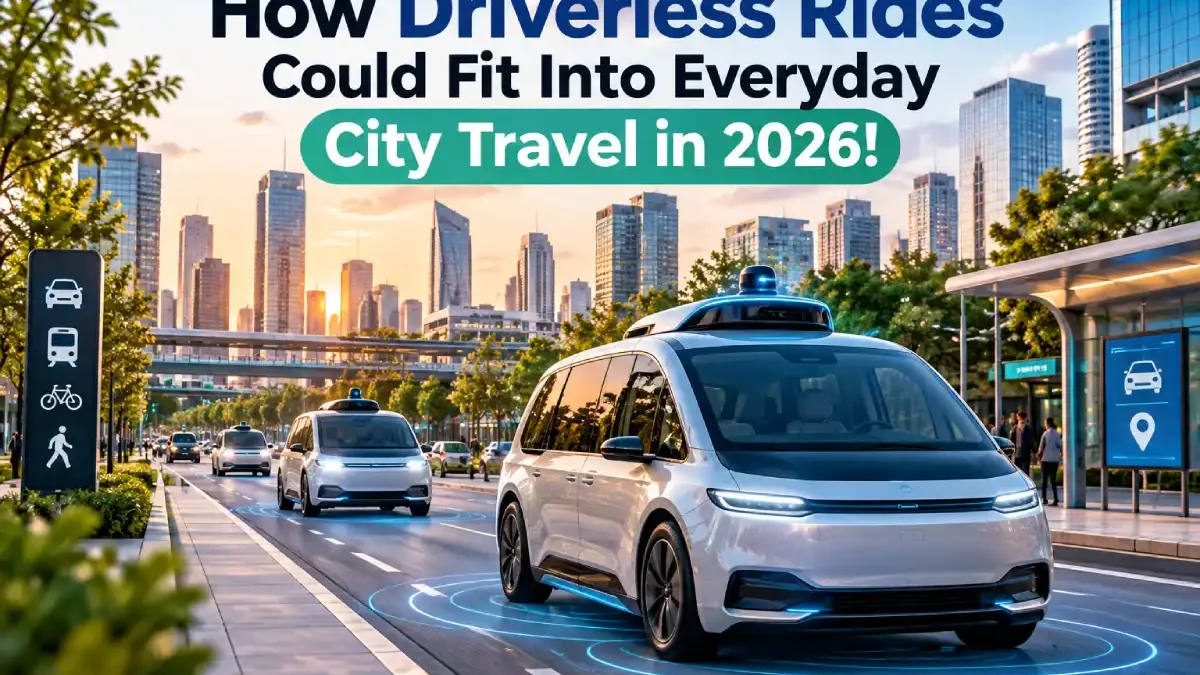
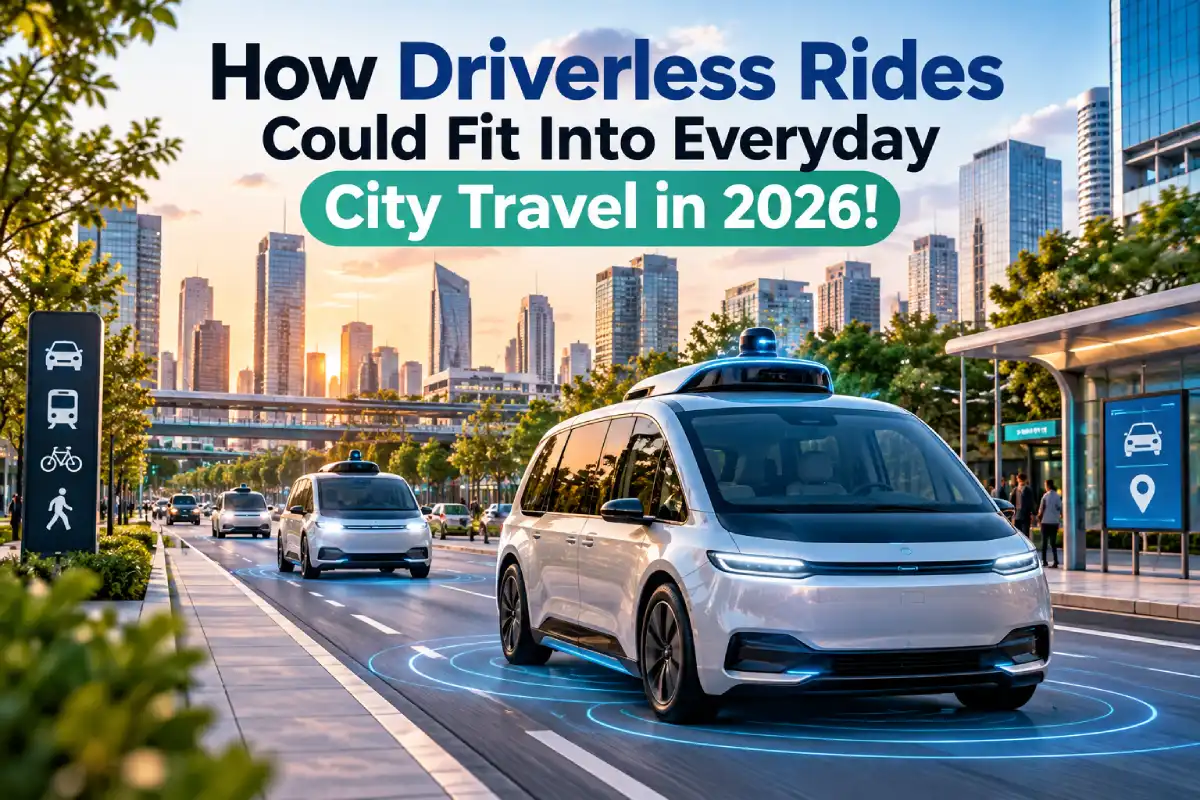
Driverless rides are moving from a future-facing idea toward a practical transportation option in selected urban areas. A service such as Zoox robotaxi illustrates the basic model: passengers request a trip, board a vehicle, and ride without a person in the front seat. The larger question for cities is how these services can solve real travel problems without creating new ones.
Why Driverless Rides Are Receiving More Attention
A driverless ride is different from a conventional taxi because the vehicle performs the driving task within its approved operating area. It is also different from a consumer car with driver-assistance features, where a human driver remains responsible for the vehicle. The National Highway Traffic Safety Administration describes high automation as a system that drives while occupants ride, but only within limited service areas and conditions.
Public interest is growing because city travel often includes gaps that fixed-route transit cannot easily fill. Autonomous vehicles are also being considered for transit applications. For example, the Federal Transit Administration has supported an autonomous shuttle service in downtown Chattanooga, showing that the discussion includes more than individual ride-hailing trips.
Where Driverless Rides May Be Most Useful
Short Urban Trips
Neighborhood trips to stores, offices, health appointments, parks, and entertainment areas can be inconvenient by car and too far to walk comfortably. A driverless ride may offer a direct option when transit requires multiple transfers or when a traveler is carrying groceries, luggage, or mobility equipment.
First-Mile And Last-Mile Connections
One of the strongest uses may be connecting homes, workplaces, and hotels with major transit stops. Rather than taking a car across an entire city, a rider could take a short automated trip to a rail station, then take the train for the longer, busier part of the journey.
Photorealistic editorial studio shot of a sleek driverless electric shuttle positioned beside a clean urban transit station, with a subtle train platform and soft city architecture in the background, isolated composition, controlled natural lighting, neutral tones, polished commercial transportation technology style, no visible driver, no text or logos.
Airport, Event And Late-Night Travel
Airports, convention centers, sports venues, and entertainment districts can create predictable demand at specific times. Late-night service may also help people travel when buses run less often. However, pickup areas must be carefully planned so vehicles do not block buses, crosswalks, bike lanes, or emergency access.
How Driverless Rides Could Work With Public Transit
Driverless rides should not be assumed to replace buses or trains. Fixed-route transit remains important where many people travel along the same corridor, because a single bus or train can carry far more passengers than individual vehicles. Autonomous rides can complement that system by covering places and times where frequent transit is harder to provide.
A daily commute could combine a short walk to a safe pickup point, a driverless ride to a rail station, and a train trip to a downtown job center. On the return trip, the same service could help bridge the final distance home. This approach makes the automated vehicle a connector rather than the entire transportation system.
What A Typical Rider Experience May Look Like
- Request a trip through the service’s app or approved booking system.
- Confirm the vehicle description, pickup point, destination, and estimated fare.
- Board at a safe curb location after verifying that the arriving vehicle is the correct one.
- Use in-vehicle controls or a support channel if the route, pickup, or ride experience raises a concern.
- Exit only after the vehicle reaches an appropriate stopping area, and it is safe to step into the surrounding street environment.
Clear instructions are essential when a pickup space is blocked by construction, a delivery truck, or a crowd. Riders should know how to contact support, cancel safely, or move to an alternate pickup point without having to guess what the vehicle will do.
Safety Questions Riders May Ask
People will reasonably ask how a vehicle handles emergency vehicles, construction workers, temporary lane closures, cyclists, pedestrians, school zones, and police-directed traffic. They will also want to know what happens if a vehicle stops unexpectedly or cannot finish a trip. A useful service should provide understandable answers before a rider gets in, not only after a problem occurs.
Safety is broader than avoiding collisions. It includes safe stopping behavior, a way to request urgent assistance, clear procedures for first responders, and transparent reporting when incidents occur. Public trust is more likely when operators and local agencies explain both ordinary operations and unusual events in plain language.
The Role Of City Rules And Street Design
Local governments may set operating conditions, such as service areas, hours, curb rules, data reporting, and coordination requirements during road closures or major events. Those rules should reflect local realities. A dense downtown with frequent buses and delivery activity has different needs from a spread-out district with limited transit and wider streets.
Curbside space is especially important. Cities need room for transit vehicles, wheelchair users, delivery activity, passenger pickups, bike infrastructure, and emergency services. Designated loading areas and strong enforcement can reduce conflicts before they become daily congestion problems.
Accessibility And Fair Access
Convenience is not meaningful if a service excludes people who need it most. Accessible vehicles, step-free boarding, clear audio and visual instructions, usable apps, and responsive human assistance should be considered from the start. Payment options also matter for riders who do not have a smartphone, a credit card, or reliable mobile data.
City leaders should also ask where service is available. A program limited to tourist districts or high-income business areas may be useful, but it does not automatically improve transportation access across the city. Pilot programs should include feedback from disabled riders, older adults, transit users, and residents of outer neighborhoods.
Possible Effects On Traffic, Privacy And Trust
Driverless rides could add travel options and improve transit connections, but they could also increase vehicle activity if empty cars travel between trips or circle while waiting for riders. Cities may want to encourage shared trips, limit unnecessary empty travel, and use designated pickup zones where curb demand is high.
Riders should understand what information a service collects, including trip locations, payment details, vehicle data, and customer-support records. Companies and public agencies should communicate how long data is retained, who can access it, and how personal information is protected. Honest communication about limitations and service failures is central to public confidence.
How To Judge A Driverless Ride Service
- Check the service area, hours, pickup rules, and weather-related limitations.
- Review accessibility options before relying on the service for an important trip.
- Compare prices with public transit, taxis, rideshare, and other local choices.
- Read the emergency and customer-support instructions before boarding.
- Look for clear public information about incidents, service changes, and rider feedback.
- Consider whether the service improves access to transit or simply adds more vehicles to busy streets.
Questions For Local Transportation Leaders
Before expanding a program, leaders should explain which neighborhoods will receive service first, how accessibility will be tested, and how residents can provide feedback. They should also clarify how collisions, stoppages, curb conflicts, and service failures will be reported. The most successful programs will treat driverless rides as part of a public transportation strategy, not as a standalone technology project.
Conclusion
Driverless rides may become a useful part of everyday city travel in 2026, especially for short connections and trips that are poorly served by existing options. Their value will depend on safe operations, practical rider support, fair access, sensible pricing, and strong links to buses, trains, and paratransit. The key question is not whether autonomous vehicles replace every other way of getting around. It is whether they help more people reach essential destinations with fewer barriers and less stress.