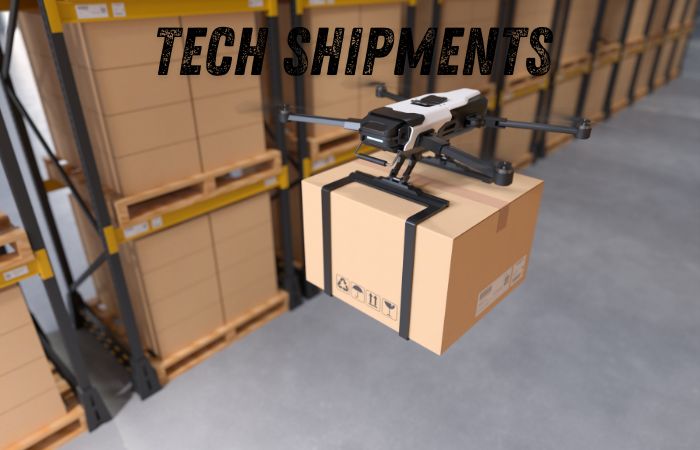
As remote work, hybrid offices, and distributed teams become increasingly common, businesses are shipping more technology equipment than ever before. Laptops, monitors, docking stations, mobile phones, peripherals, and specialized hardware are constantly moving between offices, employees, clients, and storage facilities.
While sending a single package occasionally may seem straightforward, managing regular tech shipments for staff quickly becomes more complex as a business grows. Devices are expensive, sensitive to damage, and often contain important company data. Delayed deliveries, poor packaging, or lost equipment can disrupt productivity and create unnecessary costs.
For organizations handling frequent equipment deliveries, building a reliable shipping process is essential. With the right systems in place, businesses can reduce stress, improve efficiency, and protect valuable technology investments.
Table of Contents
Create a Clear Equipment Inventory System
Before shipping any devices, businesses should maintain an organized inventory system that tracks all company-owned equipment.
This inventory should include:
- Device serial numbers
- Assigned employees
- Purchase dates
- Warranty information
- Shipping history
- Device condition reports
Accurate inventory management helps companies avoid confusion when equipment is returned, replaced, upgraded, or repaired. It also simplifies insurance claims if items are damaged or lost during transit. Cloud-based asset management platforms can make tracking much easier, particularly for businesses with remote employees spread across multiple locations.
Standardize Packaging Procedures
Technology equipment is highly vulnerable during transport. Improper packaging can lead to cracked screens, damaged ports, internal hardware issues, or complete device failure. Establishing standard packaging procedures helps reduce these risks significantly.
Businesses should use strong double-walled boxes with anti-static packaging, bubble wrap, or foam inserts, and protective sleeves for laptops and monitors. If you can get tamper-resistant seals, this can help, too. Whenever possible, original manufacturer packaging should be reused because it is designed specifically to protect the equipment.
Use Reliable Shipping Providers for Larger or Frequent Deliveries
As shipping needs increase, relying solely on standard postal services may not always be the most efficient option. Businesses regularly transporting multiple devices, bulky equipment, or office setups often benefit from more flexible shipping solutions.
Shiply shipping services can help businesses connect with transport providers suited for moving valuable technology equipment safely and efficiently. This can be particularly useful for companies shipping complete workstation setups, multiple monitors, ergonomic office furniture, or equipment between office locations. Using specialist shipping providers may also help reduce the risk of damage when transporting fragile or oversized items that require more careful handling than standard parcels.
Build a Process for Returns and Upgrades
Technology shipments are not limited to sending new equipment. Businesses also need efficient systems for returns, repairs, replacements, and hardware upgrades. Employees should receive clear instructions for:
- Packaging returned equipment
- Labelling shipments
- Including accessories
- Resetting devices if required
- Reporting damage
Providing prepaid return labels or scheduled collection services can improve compliance and reduce delays. Companies with remote teams especially benefit from structured return systems because recovering equipment from departing employees can otherwise become difficult and expensive.
Track Deliveries Carefully
Shipment tracking is critical when moving expensive company equipment regularly. Businesses should monitor deliveries actively rather than assuming packages will arrive without issue.
This is because tracking systems help organizations confirm successful deliveries, detect delays early, improve accountability, and monitor shipping patterns, not to mention respond quickly to lost shipments. Maintaining records of shipment dates, courier details, and proof of delivery provides additional protection in the event of later disputes.
By creating structured processes for packaging, tracking, and returns, businesses can manage regular tech shipments far more efficiently. Choosing reliable transport solutions and planning ahead also reduces stress for both employees and IT teams. Technology may power modern businesses, but efficient logistics are what ensure that technology reaches the people who need it most.