
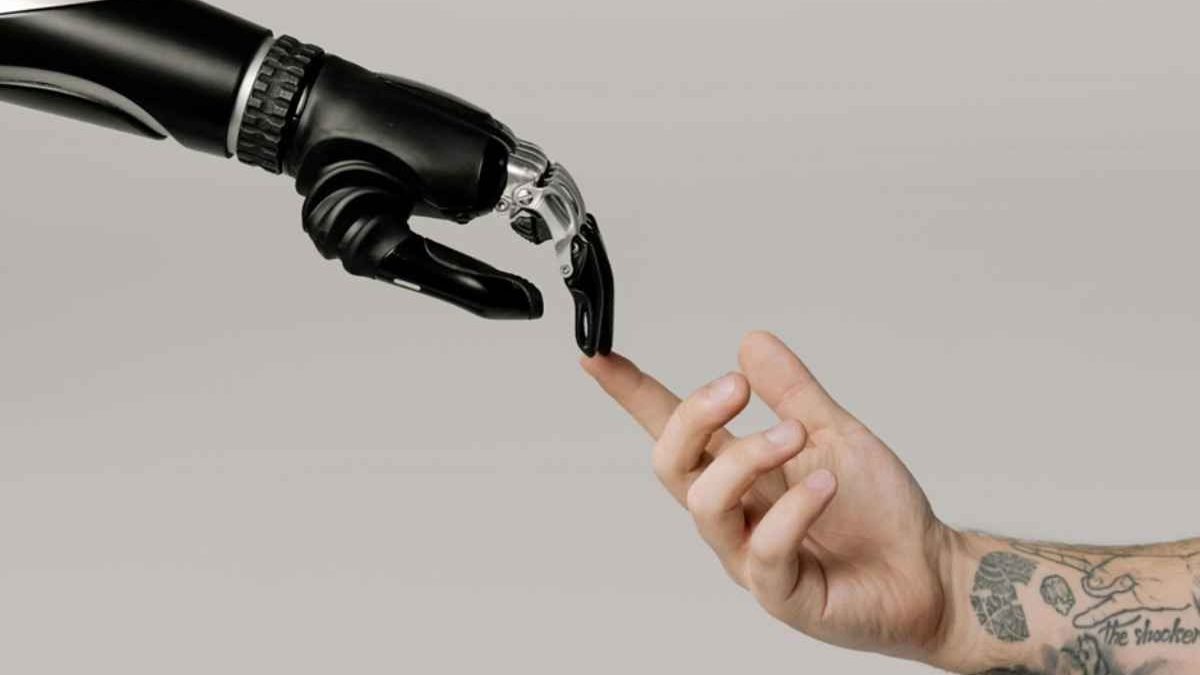
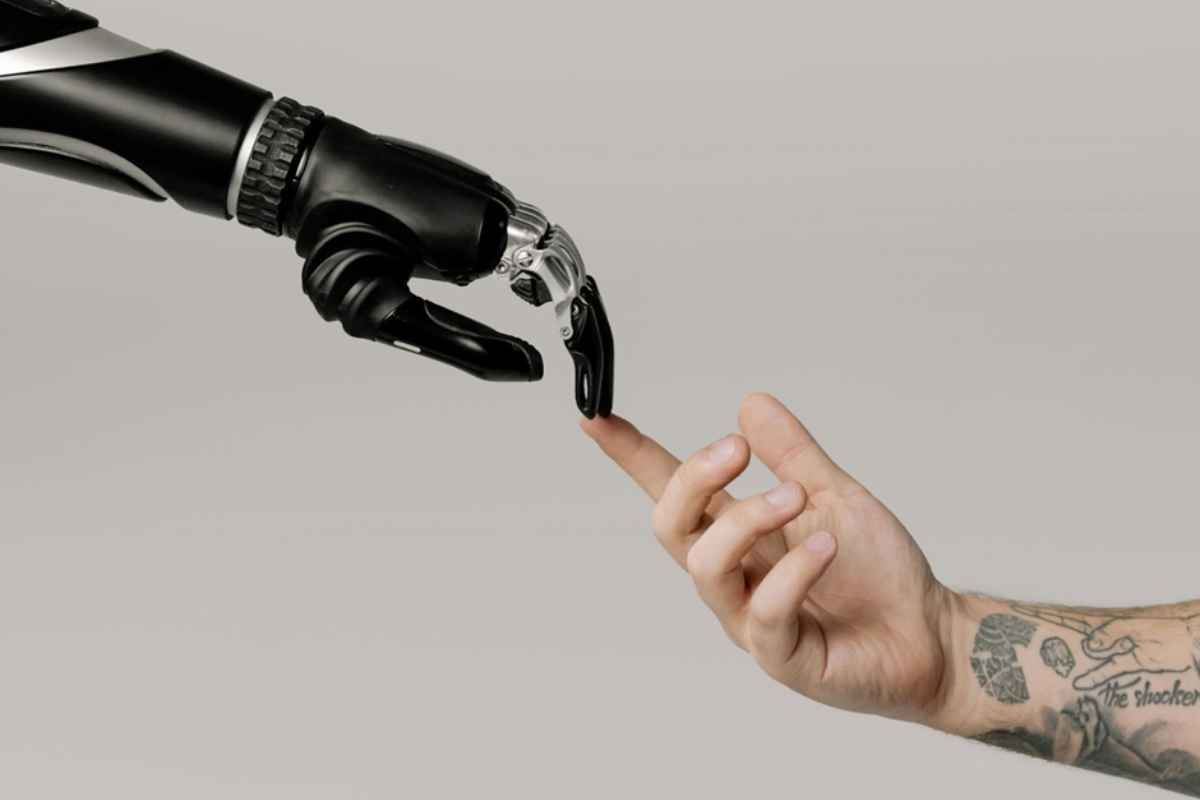
A robot doesn’t get tired. An algorithm doesn’t make a careless mistake. This simple truth is reshaping the world of work. Automation is no longer just about factory arms. It is in our offices, hospitals, and labs. It is changing every job. This shift creates anxiety. It also creates enormous opportunity. The future is not about humans versus machines. It is about humans with machines. This partnership will define the next era of every industry. Let’s see how this looks.
Table of Contents
Beyond the Assembly Line: The Rise of “Knowledge Robots”
We think of automation as physical. It builds cars. It sorts packages. The new frontier is cognitive. Software robots now handle data-heavy office work. They process invoices automatically. They schedule meetings across time zones. They screen resumes for recruiters. These are not physical machines. They are lines of code. They do the systematic, rule-based tasks. This frees human workers. People can now focus on tasks requiring judgment. They build client relationships. They solve complex problems. The “robot” has moved from the warehouse floor to the computer desktop.
Life Sciences: The Automated Discovery Engine
Drug discovery is slow. It is also incredibly expensive. A big reason is repetitive lab work. Scientists must cultivate and test thousands of biological samples. This takes years. Modern automation changes the timeline. Specialized robotics handle these tasks with flawless precision. Advanced cell line development platforms are a prime example. These automated systems can create, screen, and maintain hundreds of cell cultures at once. They never tire. They never contaminate a sample. This accelerates research from years to months. It allows scientists to ask bigger questions. They explore more therapeutic avenues faster. The goal of personalized medicine becomes realistic.
The Customer Service Concierge
Call centers have high turnover. The work is often repetitive and stressful. Automation is transforming this field. Chatbots now handle common, simple inquiries. “What is my balance?” “Where is my order?” The bot provides an instant answer. It works 24/7. This is the first layer. For complex issues, the bot smoothly transfers the call to a human agent. The agent already has the customer’s history and the bot’s notes. The human can focus on empathy and complex problem-solving. The frustrating, scripted part of the job is gone. Automation makes the human role more skilled and less draining.
The Co-Pilot in the Operating Room
Surgeons have incredible skill. Their hands must be steady. Their focus must be absolute. Robotic surgical systems are becoming essential partners. These systems do not operate independently. The surgeon controls every movement from a console. The robot’s “hands” are tiny. They are more precise than a human hand. They can filter out natural hand tremors. This allows for minimally invasive surgery. Patients recover faster with less scarring. The surgeon gains superhuman precision. Automation here augments human expertise. It leads to better outcomes. It expands what is surgically possible.
The Logistics Brain
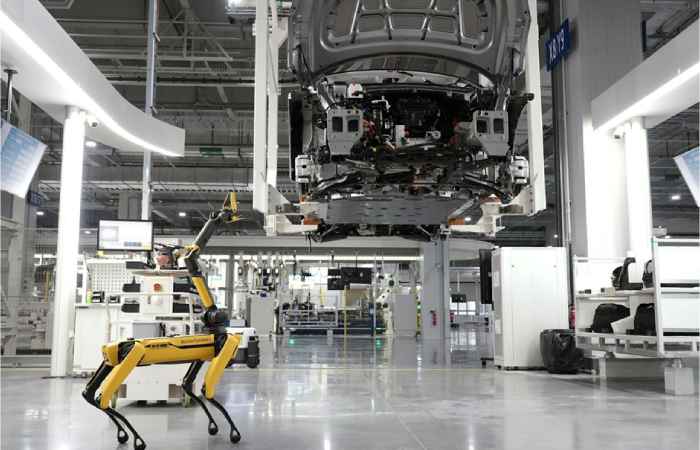
Getting a package across the world in two days seems like magic. It is actually a symphony of automation. Algorithms determine the optimal shipping route. They factor in weather, traffic, and plane schedules. Robots in fulfillment centers pick items from shelves. Automated guided vehicles move pallets around warehouses. Self-driving technology is beginning to handle the “middle mile” of trucking. The entire supply chain is becoming a single, intelligent system. Human workers manage this system. They handle exceptions. They perform maintenance. They oversee the complex dance of machines.
Creativity Gets a Turbo Boost
We think creativity is a purely human domain. Automation is proving to be a powerful muse. Graphic designers use AI tools to generate hundreds of logo concepts in minutes. They then refine the best ideas. Musicians use AI to suggest chord progressions or drum patterns. Writers use grammar and style assistants. These tools do not create the final product. They break through creative block. They handle the tedious parts of the workflow. This allows the human creator to focus on vision, emotion, and originality. The artist becomes a curator and director of machine-generated possibilities.
The Human Edge: Skills for the Automated Age
This shift changes the skills we need. Routine procedural tasks are declining. Demand is rising for different abilities. Critical thinking is paramount. Machines provide data. Humans must interpret it and make decisions. Emotional intelligence is irreplaceable. Robots cannot build trust. They cannot motivate a team. They cannot show genuine empathy to a patient. Adaptability is key. Technology will keep evolving. Workers must be lifelong learners. The most secure jobs will blend technical literacy with deeply human skills. We must learn to work alongside our digital co-workers.
Automation is not an event. It is an ongoing process. It is the tool we are using to rebuild the workplace. The goal is not to remove people. The goal is to remove monotony, error, and danger from work. The future belongs to industries that understand this partnership. It belongs to workers who embrace these new tools. The age of automation is the age of human potential, finally unleashed.